Free Local White-Glove Setup & Haul-Away on Orders Over $499Announcement 1 of 2
Explore Payment Options — View Financing DetailsAnnouncement 2 of 2
Shop mattresses by size, feel and construction—from a straightforward guest bed to a configurable hybrid. Compare prices for your chosen size, build a shortlist, then confirm which models you can try at our five Los Angeles showrooms.

Est. $86.59/month for 12 months
Item-price payoff target · excludes taxes and fees.
Synchrony · No interest if paid in full within 12 months. Subject to credit approval.
Interest is charged from the purchase date if not paid in full in time. Minimum monthly payments are required and may not repay the balance in time.
This item price meets the 12-month deferred-interest threshold. We use the longest confirmed period available at this price. Avoiding interest requires paying the promotional balance in full before the deadline. Lender fees can affect total cost; this selection does not establish the lowest total borrowing cost.
This illustration divides the displayed price of $1,039.00 for one selected item by 12 months, rounding up to the next cent. It is not the lender’s required payment or billing schedule. Check the promotional deadline on your statement and pay the full promotional balance before it ends.
Taxes, delivery, recycling charges and any lender promotional fees are excluded. Fees may add to the total borrowing cost. Additional discounts can change plan eligibility and the amount financed. Confirm the final purchase amount and applicable terms with the store before arranging financing.
Credit approval, applicable account terms and purchase eligibility apply.
How Synchrony deferred interest works
Est. $133.17/month for 6 months
Item-price payoff target · excludes taxes and fees.
Synchrony · No interest if paid in full within 6 months. Subject to credit approval.
Interest is charged from the purchase date if not paid in full in time. Minimum monthly payments are required and may not repay the balance in time.
This item price meets the 6-month deferred-interest threshold. We use the longest confirmed period available at this price. Avoiding interest requires paying the promotional balance in full before the deadline. Lender fees can affect total cost; this selection does not establish the lowest total borrowing cost.
This illustration divides the displayed price of $799.00 for one selected item by 6 months, rounding up to the next cent. It is not the lender’s required payment or billing schedule. Check the promotional deadline on your statement and pay the full promotional balance before it ends.
Taxes, delivery, recycling charges and any lender promotional fees are excluded. Fees may add to the total borrowing cost. Additional discounts can change plan eligibility and the amount financed. Confirm the final purchase amount and applicable terms with the store before arranging financing.
Credit approval, applicable account terms and purchase eligibility apply.
How Synchrony deferred interest works
Est. $91.59/month for 12 months
Item-price payoff target · excludes taxes and fees.
Synchrony · No interest if paid in full within 12 months. Subject to credit approval.
Interest is charged from the purchase date if not paid in full in time. Minimum monthly payments are required and may not repay the balance in time.
This item price meets the 12-month deferred-interest threshold. We use the longest confirmed period available at this price. Avoiding interest requires paying the promotional balance in full before the deadline. Lender fees can affect total cost; this selection does not establish the lowest total borrowing cost.
This illustration divides the displayed price of $1,099.00 for one selected item by 12 months, rounding up to the next cent. It is not the lender’s required payment or billing schedule. Check the promotional deadline on your statement and pay the full promotional balance before it ends.
Taxes, delivery, recycling charges and any lender promotional fees are excluded. Fees may add to the total borrowing cost. Additional discounts can change plan eligibility and the amount financed. Confirm the final purchase amount and applicable terms with the store before arranging financing.
Credit approval, applicable account terms and purchase eligibility apply.
How Synchrony deferred interest works
Est. $108.31/month for 36 months
Item-price estimate · excludes taxes and fees.
Synchrony · 0% APR · equal payments required. Subject to credit approval.
This item price qualifies for the confirmed 36-month equal-payment plan at 0% APR. It gives the lowest monthly item-price estimate among the confirmed plans. Lender fees can affect total cost; this selection does not establish the lowest total borrowing cost.
This illustration divides the displayed price of $3,899.00 for one selected item by 36 months, rounding up to the next cent. It is not the lender’s required payment or billing schedule. The lender determines the actual payment, rounding and final installment.
Taxes, delivery, recycling charges and any lender promotional fees are excluded. Fees may add to the total borrowing cost. Additional discounts can change plan eligibility and the amount financed. Confirm the final purchase amount and applicable terms with the store before arranging financing.
Credit approval, applicable account terms and purchase eligibility apply.
How Synchrony equal payments work

Est. $124.84/month for 6 months
Item-price payoff target · excludes taxes and fees.
Synchrony · No interest if paid in full within 6 months. Subject to credit approval.
Interest is charged from the purchase date if not paid in full in time. Minimum monthly payments are required and may not repay the balance in time.
This item price meets the 6-month deferred-interest threshold. We use the longest confirmed period available at this price. Avoiding interest requires paying the promotional balance in full before the deadline. Lender fees can affect total cost; this selection does not establish the lowest total borrowing cost.
This illustration divides the displayed price of $749.00 for one selected item by 6 months, rounding up to the next cent. It is not the lender’s required payment or billing schedule. Check the promotional deadline on your statement and pay the full promotional balance before it ends.
Taxes, delivery, recycling charges and any lender promotional fees are excluded. Fees may add to the total borrowing cost. Additional discounts can change plan eligibility and the amount financed. Confirm the final purchase amount and applicable terms with the store before arranging financing.
Credit approval, applicable account terms and purchase eligibility apply.
How Synchrony deferred interest works
Est. $158.17/month for 6 months
Item-price payoff target · excludes taxes and fees.
Synchrony · No interest if paid in full within 6 months. Subject to credit approval.
Interest is charged from the purchase date if not paid in full in time. Minimum monthly payments are required and may not repay the balance in time.
This item price meets the 6-month deferred-interest threshold. We use the longest confirmed period available at this price. Avoiding interest requires paying the promotional balance in full before the deadline. Lender fees can affect total cost; this selection does not establish the lowest total borrowing cost.
This illustration divides the displayed price of $949.00 for one selected item by 6 months, rounding up to the next cent. It is not the lender’s required payment or billing schedule. Check the promotional deadline on your statement and pay the full promotional balance before it ends.
Taxes, delivery, recycling charges and any lender promotional fees are excluded. Fees may add to the total borrowing cost. Additional discounts can change plan eligibility and the amount financed. Confirm the final purchase amount and applicable terms with the store before arranging financing.
Credit approval, applicable account terms and purchase eligibility apply.
How Synchrony deferred interest works
Est. $159.84/month for 6 months
Item-price payoff target · excludes taxes and fees.
Synchrony · No interest if paid in full within 6 months. Subject to credit approval.
Interest is charged from the purchase date if not paid in full in time. Minimum monthly payments are required and may not repay the balance in time.
This item price meets the 6-month deferred-interest threshold. We use the longest confirmed period available at this price. Avoiding interest requires paying the promotional balance in full before the deadline. Lender fees can affect total cost; this selection does not establish the lowest total borrowing cost.
This illustration divides the displayed price of $959.00 for one selected item by 6 months, rounding up to the next cent. It is not the lender’s required payment or billing schedule. Check the promotional deadline on your statement and pay the full promotional balance before it ends.
Taxes, delivery, recycling charges and any lender promotional fees are excluded. Fees may add to the total borrowing cost. Additional discounts can change plan eligibility and the amount financed. Confirm the final purchase amount and applicable terms with the store before arranging financing.
Credit approval, applicable account terms and purchase eligibility apply.
How Synchrony deferred interest works
Est. $108.25/month for 12 months
Item-price payoff target · excludes taxes and fees.
Synchrony · No interest if paid in full within 12 months. Subject to credit approval.
Interest is charged from the purchase date if not paid in full in time. Minimum monthly payments are required and may not repay the balance in time.
This item price meets the 12-month deferred-interest threshold. We use the longest confirmed period available at this price. Avoiding interest requires paying the promotional balance in full before the deadline. Lender fees can affect total cost; this selection does not establish the lowest total borrowing cost.
This illustration divides the displayed price of $1,299.00 for one selected item by 12 months, rounding up to the next cent. It is not the lender’s required payment or billing schedule. Check the promotional deadline on your statement and pay the full promotional balance before it ends.
Taxes, delivery, recycling charges and any lender promotional fees are excluded. Fees may add to the total borrowing cost. Additional discounts can change plan eligibility and the amount financed. Confirm the final purchase amount and applicable terms with the store before arranging financing.
Credit approval, applicable account terms and purchase eligibility apply.
How Synchrony deferred interest works
Est. $108.25/month for 12 months
Item-price payoff target · excludes taxes and fees.
Synchrony · No interest if paid in full within 12 months. Subject to credit approval.
Interest is charged from the purchase date if not paid in full in time. Minimum monthly payments are required and may not repay the balance in time.
This item price meets the 12-month deferred-interest threshold. We use the longest confirmed period available at this price. Avoiding interest requires paying the promotional balance in full before the deadline. Lender fees can affect total cost; this selection does not establish the lowest total borrowing cost.
This illustration divides the displayed price of $1,299.00 for one selected item by 12 months, rounding up to the next cent. It is not the lender’s required payment or billing schedule. Check the promotional deadline on your statement and pay the full promotional balance before it ends.
Taxes, delivery, recycling charges and any lender promotional fees are excluded. Fees may add to the total borrowing cost. Additional discounts can change plan eligibility and the amount financed. Confirm the final purchase amount and applicable terms with the store before arranging financing.
Credit approval, applicable account terms and purchase eligibility apply.
How Synchrony deferred interest works
Est. $108.25/month for 12 months
Item-price payoff target · excludes taxes and fees.
Synchrony · No interest if paid in full within 12 months. Subject to credit approval.
Interest is charged from the purchase date if not paid in full in time. Minimum monthly payments are required and may not repay the balance in time.
This item price meets the 12-month deferred-interest threshold. We use the longest confirmed period available at this price. Avoiding interest requires paying the promotional balance in full before the deadline. Lender fees can affect total cost; this selection does not establish the lowest total borrowing cost.
This illustration divides the displayed price of $1,299.00 for one selected item by 12 months, rounding up to the next cent. It is not the lender’s required payment or billing schedule. Check the promotional deadline on your statement and pay the full promotional balance before it ends.
Taxes, delivery, recycling charges and any lender promotional fees are excluded. Fees may add to the total borrowing cost. Additional discounts can change plan eligibility and the amount financed. Confirm the final purchase amount and applicable terms with the store before arranging financing.
Credit approval, applicable account terms and purchase eligibility apply.
How Synchrony deferred interest works
Est. $99.95/month for 18 months
Item-price payoff target · excludes taxes and fees.
Synchrony · No interest if paid in full within 18 months. Subject to credit approval.
Interest is charged from the purchase date if not paid in full in time. Minimum monthly payments are required and may not repay the balance in time.
This item price meets the 18-month deferred-interest threshold. We use the longest confirmed period available at this price. Avoiding interest requires paying the promotional balance in full before the deadline. Lender fees can affect total cost; this selection does not establish the lowest total borrowing cost.
This illustration divides the displayed price of $1,799.00 for one selected item by 18 months, rounding up to the next cent. It is not the lender’s required payment or billing schedule. Check the promotional deadline on your statement and pay the full promotional balance before it ends.
Taxes, delivery, recycling charges and any lender promotional fees are excluded. Fees may add to the total borrowing cost. Additional discounts can change plan eligibility and the amount financed. Confirm the final purchase amount and applicable terms with the store before arranging financing.
Credit approval, applicable account terms and purchase eligibility apply.
How Synchrony deferred interest works
Est. $105.50/month for 18 months
Item-price payoff target · excludes taxes and fees.
Synchrony · No interest if paid in full within 18 months. Subject to credit approval.
Interest is charged from the purchase date if not paid in full in time. Minimum monthly payments are required and may not repay the balance in time.
This item price meets the 18-month deferred-interest threshold. We use the longest confirmed period available at this price. Avoiding interest requires paying the promotional balance in full before the deadline. Lender fees can affect total cost; this selection does not establish the lowest total borrowing cost.
This illustration divides the displayed price of $1,899.00 for one selected item by 18 months, rounding up to the next cent. It is not the lender’s required payment or billing schedule. Check the promotional deadline on your statement and pay the full promotional balance before it ends.
Taxes, delivery, recycling charges and any lender promotional fees are excluded. Fees may add to the total borrowing cost. Additional discounts can change plan eligibility and the amount financed. Confirm the final purchase amount and applicable terms with the store before arranging financing.
Credit approval, applicable account terms and purchase eligibility apply.
How Synchrony deferred interest works
Est. $83.30/month for 24 months
Item-price payoff target · excludes taxes and fees.
Synchrony · No interest if paid in full within 24 months. Subject to credit approval.
Interest is charged from the purchase date if not paid in full in time. Minimum monthly payments are required and may not repay the balance in time.
This item price meets the 24-month deferred-interest threshold. We use the longest confirmed period available at this price. Avoiding interest requires paying the promotional balance in full before the deadline. Lender fees can affect total cost; this selection does not establish the lowest total borrowing cost.
This illustration divides the displayed price of $1,999.00 for one selected item by 24 months, rounding up to the next cent. It is not the lender’s required payment or billing schedule. Check the promotional deadline on your statement and pay the full promotional balance before it ends.
Taxes, delivery, recycling charges and any lender promotional fees are excluded. Fees may add to the total borrowing cost. Additional discounts can change plan eligibility and the amount financed. Confirm the final purchase amount and applicable terms with the store before arranging financing.
Credit approval, applicable account terms and purchase eligibility apply.
How Synchrony deferred interest works

Est. $108.31/month for 36 months
Item-price estimate · excludes taxes and fees.
Synchrony · 0% APR · equal payments required. Subject to credit approval.
This item price qualifies for the confirmed 36-month equal-payment plan at 0% APR. It gives the lowest monthly item-price estimate among the confirmed plans. Lender fees can affect total cost; this selection does not establish the lowest total borrowing cost.
This illustration divides the displayed price of $3,899.00 for one selected item by 36 months, rounding up to the next cent. It is not the lender’s required payment or billing schedule. The lender determines the actual payment, rounding and final installment.
Taxes, delivery, recycling charges and any lender promotional fees are excluded. Fees may add to the total borrowing cost. Additional discounts can change plan eligibility and the amount financed. Confirm the final purchase amount and applicable terms with the store before arranging financing.
Credit approval, applicable account terms and purchase eligibility apply.
How Synchrony equal payments work
Est. $108.31/month for 36 months
Item-price estimate · excludes taxes and fees.
Synchrony · 0% APR · equal payments required. Subject to credit approval.
This item price qualifies for the confirmed 36-month equal-payment plan at 0% APR. It gives the lowest monthly item-price estimate among the confirmed plans. Lender fees can affect total cost; this selection does not establish the lowest total borrowing cost.
This illustration divides the displayed price of $3,899.00 for one selected item by 36 months, rounding up to the next cent. It is not the lender’s required payment or billing schedule. The lender determines the actual payment, rounding and final installment.
Taxes, delivery, recycling charges and any lender promotional fees are excluded. Fees may add to the total borrowing cost. Additional discounts can change plan eligibility and the amount financed. Confirm the final purchase amount and applicable terms with the store before arranging financing.
Credit approval, applicable account terms and purchase eligibility apply.
How Synchrony equal payments work
Est. $80.53/month for 36 months
Item-price estimate · excludes taxes and fees.
Synchrony · 0% APR · equal payments required. Subject to credit approval.
This item price qualifies for the confirmed 36-month equal-payment plan at 0% APR. It gives the lowest monthly item-price estimate among the confirmed plans. Lender fees can affect total cost; this selection does not establish the lowest total borrowing cost.
This illustration divides the displayed price of $2,899.00 for one selected item by 36 months, rounding up to the next cent. It is not the lender’s required payment or billing schedule. The lender determines the actual payment, rounding and final installment.
Taxes, delivery, recycling charges and any lender promotional fees are excluded. Fees may add to the total borrowing cost. Additional discounts can change plan eligibility and the amount financed. Confirm the final purchase amount and applicable terms with the store before arranging financing.
Credit approval, applicable account terms and purchase eligibility apply.
How Synchrony equal payments work
Est. $91.63/month for 24 months
Item-price payoff target · excludes taxes and fees.
Synchrony · No interest if paid in full within 24 months. Subject to credit approval.
Interest is charged from the purchase date if not paid in full in time. Minimum monthly payments are required and may not repay the balance in time.
This item price meets the 24-month deferred-interest threshold. We use the longest confirmed period available at this price. Avoiding interest requires paying the promotional balance in full before the deadline. Lender fees can affect total cost; this selection does not establish the lowest total borrowing cost.
This illustration divides the displayed price of $2,199.00 for one selected item by 24 months, rounding up to the next cent. It is not the lender’s required payment or billing schedule. Check the promotional deadline on your statement and pay the full promotional balance before it ends.
Taxes, delivery, recycling charges and any lender promotional fees are excluded. Fees may add to the total borrowing cost. Additional discounts can change plan eligibility and the amount financed. Confirm the final purchase amount and applicable terms with the store before arranging financing.
Credit approval, applicable account terms and purchase eligibility apply.
How Synchrony deferred interest works
Est. $99.95/month for 18 months
Item-price payoff target · excludes taxes and fees.
Synchrony · No interest if paid in full within 18 months. Subject to credit approval.
Interest is charged from the purchase date if not paid in full in time. Minimum monthly payments are required and may not repay the balance in time.
This item price meets the 18-month deferred-interest threshold. We use the longest confirmed period available at this price. Avoiding interest requires paying the promotional balance in full before the deadline. Lender fees can affect total cost; this selection does not establish the lowest total borrowing cost.
This illustration divides the displayed price of $1,799.00 for one selected item by 18 months, rounding up to the next cent. It is not the lender’s required payment or billing schedule. Check the promotional deadline on your statement and pay the full promotional balance before it ends.
Taxes, delivery, recycling charges and any lender promotional fees are excluded. Fees may add to the total borrowing cost. Additional discounts can change plan eligibility and the amount financed. Confirm the final purchase amount and applicable terms with the store before arranging financing.
Credit approval, applicable account terms and purchase eligibility apply.
How Synchrony deferred interest works
Est. $73.31/month for 36 months
Item-price estimate · excludes taxes and fees.
Synchrony · 0% APR · equal payments required. Subject to credit approval.
This item price qualifies for the confirmed 36-month equal-payment plan at 0% APR. It gives the lowest monthly item-price estimate among the confirmed plans. Lender fees can affect total cost; this selection does not establish the lowest total borrowing cost.
This illustration divides the displayed price of $2,639.00 for one selected item by 36 months, rounding up to the next cent. It is not the lender’s required payment or billing schedule. The lender determines the actual payment, rounding and final installment.
Taxes, delivery, recycling charges and any lender promotional fees are excluded. Fees may add to the total borrowing cost. Additional discounts can change plan eligibility and the amount financed. Confirm the final purchase amount and applicable terms with the store before arranging financing.
Credit approval, applicable account terms and purchase eligibility apply.
How Synchrony equal payments work
Est. $83.30/month for 24 months
Item-price payoff target · excludes taxes and fees.
Synchrony · No interest if paid in full within 24 months. Subject to credit approval.
Interest is charged from the purchase date if not paid in full in time. Minimum monthly payments are required and may not repay the balance in time.
This item price meets the 24-month deferred-interest threshold. We use the longest confirmed period available at this price. Avoiding interest requires paying the promotional balance in full before the deadline. Lender fees can affect total cost; this selection does not establish the lowest total borrowing cost.
This illustration divides the displayed price of $1,999.00 for one selected item by 24 months, rounding up to the next cent. It is not the lender’s required payment or billing schedule. Check the promotional deadline on your statement and pay the full promotional balance before it ends.
Taxes, delivery, recycling charges and any lender promotional fees are excluded. Fees may add to the total borrowing cost. Additional discounts can change plan eligibility and the amount financed. Confirm the final purchase amount and applicable terms with the store before arranging financing.
Credit approval, applicable account terms and purchase eligibility apply.
How Synchrony deferred interest works
Est. $91.64/month for 36 months
Item-price estimate · excludes taxes and fees.
Synchrony · 0% APR · equal payments required. Subject to credit approval.
This item price qualifies for the confirmed 36-month equal-payment plan at 0% APR. It gives the lowest monthly item-price estimate among the confirmed plans. Lender fees can affect total cost; this selection does not establish the lowest total borrowing cost.
This illustration divides the displayed price of $3,299.00 for one selected item by 36 months, rounding up to the next cent. It is not the lender’s required payment or billing schedule. The lender determines the actual payment, rounding and final installment.
Taxes, delivery, recycling charges and any lender promotional fees are excluded. Fees may add to the total borrowing cost. Additional discounts can change plan eligibility and the amount financed. Confirm the final purchase amount and applicable terms with the store before arranging financing.
Credit approval, applicable account terms and purchase eligibility apply.
How Synchrony equal payments work
Est. $105.56/month for 36 months
Item-price estimate · excludes taxes and fees.
Synchrony · 0% APR · equal payments required. Subject to credit approval.
This item price qualifies for the confirmed 36-month equal-payment plan at 0% APR. It gives the lowest monthly item-price estimate among the confirmed plans. Lender fees can affect total cost; this selection does not establish the lowest total borrowing cost.
This illustration divides the displayed price of $3,799.99 for one selected item by 36 months, rounding up to the next cent. It is not the lender’s required payment or billing schedule. The lender determines the actual payment, rounding and final installment.
Taxes, delivery, recycling charges and any lender promotional fees are excluded. Fees may add to the total borrowing cost. Additional discounts can change plan eligibility and the amount financed. Confirm the final purchase amount and applicable terms with the store before arranging financing.
Credit approval, applicable account terms and purchase eligibility apply.
How Synchrony equal payments workFind your starting point
Start with size. Compare construction and feel. Then test your shortlist and plan the complete setup. The mattress with the most features is not automatically the right one for your bedroom.
Allow for the frame’s outside dimensions, open drawers and your walking routes—not only the mattress footprint.
Check your room fit →Use “Prices for” above the grid to choose a size. Add filters for your budget and preferences, then compare the exact options on each product page.
Return to mattresses →Include a compatible foundation, bedding, taxes and applicable fees. Review delivery, exchange and financing terms before ordering.
Plan the complete cost →Construction is a starting point
Materials influence feel, but two mattresses with the same label can sleep differently. Read the model’s specifications and compare comfort in person when possible.
Coils paired with comfort layers. Compare the exact foam or latex layers, edge feel and motion response—not just the word hybrid.
For shoppers who like a contouring feel. Try turning over and compare how quickly the surface responds; cooling claims vary by model.
Often a more buoyant surface. Check whether the mattress is all-latex or a latex hybrid, and verify any material certifications on the product page.
A spring-based support system with comfort upholstery. Coil design and cushioning both matter; innerspring does not automatically mean firm.
A pillow top describes the upper comfort construction, not a separate support system. “Bed in a box” describes packaging—not a firmness or material.
Make room for better choices
Standard U.S. mattress dimensions below. Frame dimensions and model tolerances vary; check the exact product before ordering.
King is wider; California King is longer. Two Twin XL mattresses form a 76 × 80-inch King footprint, but compatible bases and matching heights still matter.
Comfort is personal
A softer surface is not automatically less supportive, and a firmer one is not automatically better. Use these collections to build a shortlist, then test pressure, turning and edge feel.
Bedroom inspiration · real product links
These are examples to explore, not a ranked “best mattress” list. Choose your size and options on the product page for current pricing and availability.
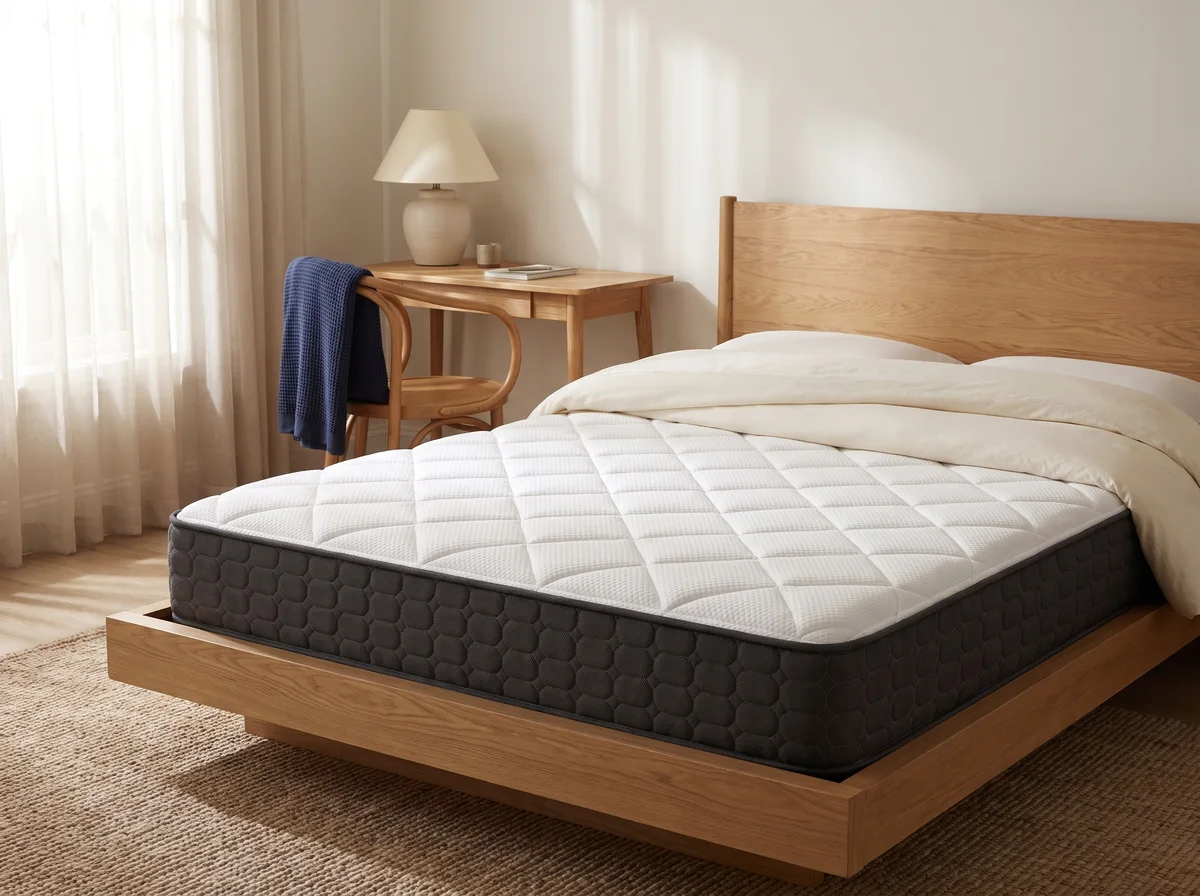
A lower-profile starting point
A 7-inch firm innerspring mattress. Check the intended bed’s support and height requirements, then choose your size on the product page.
Choose a size & see current price →Explore the brand collection →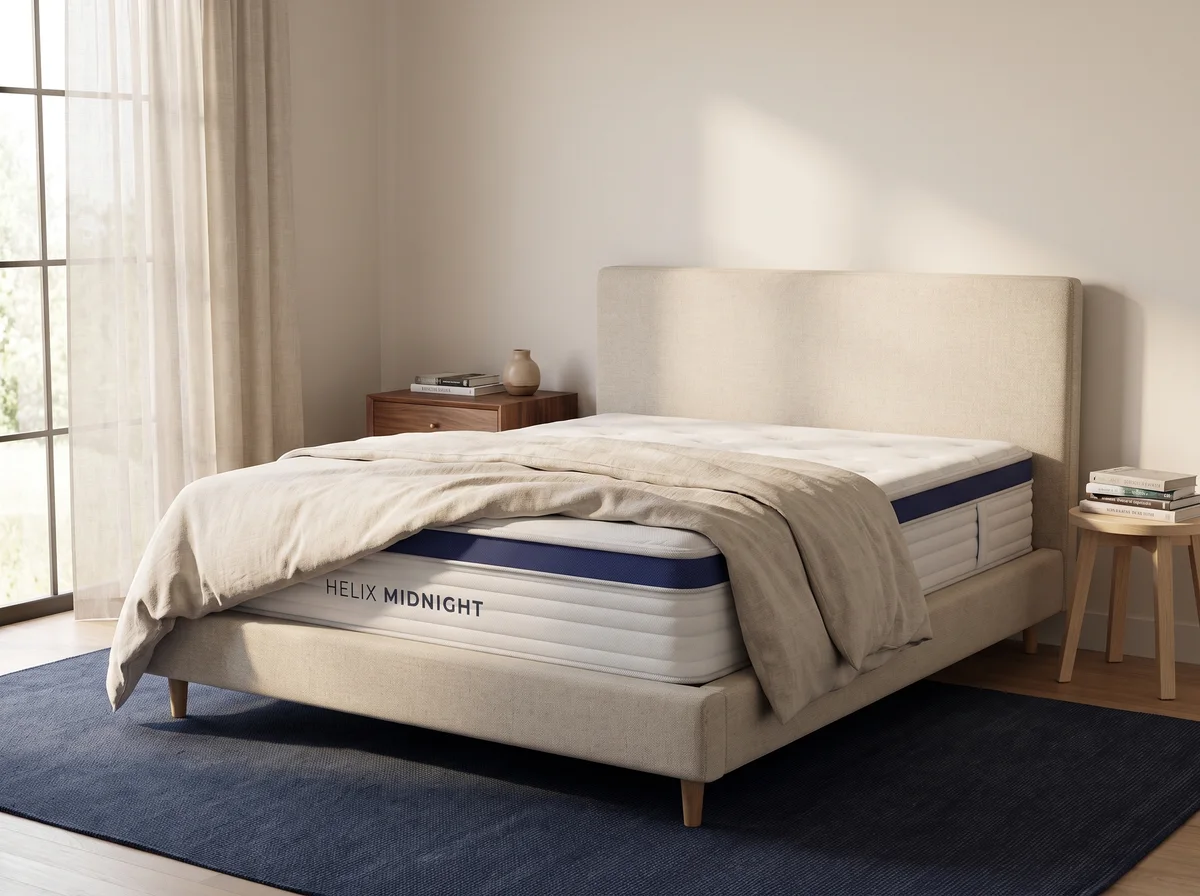
A configurable medium hybrid
An 11.5-inch medium hybrid with cover and support choices. Compare the same configuration when checking the price difference between sizes.
Choose a size & see current price →Explore the brand collection →Shop online. Try locally.
Visit Koreatown, West LA, La Brea, Studio City or Glendale. Contact your preferred showroom first to confirm which shortlisted models and sizes are on display.
Choose your showroom →Start with the size your room and frame can accommodate, then set a budget for the complete setup. Compare firmness and construction separately. Shortlist a few models, review their exact specifications and terms, and try your usual sleeping positions when possible. There is no one best mattress for everyone.
Both use springs for support. A hybrid combines a coil support system with substantial comfort layers such as foam or latex. Construction labels can overlap, so compare the actual layers, height, feel and support requirements of each model instead of assuming the label determines comfort.
Cost varies with size, construction, brand and options. Use the catalog’s Prices for size control and price filter to compare the size you need. Product pages show the selected configuration and current price. Include the frame or foundation, accessories, taxes, recycling fees and any delivery or removal charges in your total.
Visit our showrooms in Koreatown, West LA, La Brea, Studio City or Glendale. Contact the showroom with your shortlisted model and size before traveling: online inventory and showroom display availability are different. A mattress being listed here does not guarantee it is on display at every location.
No. Firmness describes the surface feel; support depends on the mattress construction and how it works for the sleeper. Test pressure at the shoulders and hips, ease of turning and comfort in your usual position. Labels are not standardized across brands, so compare actual models rather than relying only on a firmness number.
Check the exact mattress manufacturer’s support instructions and your existing frame’s condition, dimensions and slat spacing. Not every mattress works with an adjustable base or the same foundation. Replace or adapt the support only as the manufacturer permits; also check total bed height and delivery access.
Delivery availability, services and charges depend on the order and destination; confirm them before purchase. The 120-night Love Your Bed Guarantee is a comfort-exchange program, not an unrestricted refund promise. Read the linked delivery and exchange terms for current eligibility, timing, fees and exclusions.
By LA Mattress Store, a retailer of the featured products. This is shopping guidance, not a hands-on product ranking or a guarantee of comfort. Dimensions follow Helix’s size specifications. Confirm model specifications and current purchase terms on the linked pages.