
Forget the flowers & perfume – what your mother really wants can’t be wrapped
There is some truth to the saying, “A woman’s work is never done,” especially if she’s a mother. That may be why a CBS news survey reported that moms feel tired for more days per month (an average of 14) than women who do not have kids (with an average of 11 days). That’s not breaking news, but you might be surprised to learn just how big the impact is of having kids in the house. Each child in the house boosts the chances of insufficient sleep by a whopping 50%.
When your mother says, “I’m so tired!” she really means it. How about giving your mom what she really wants – sweet blessed sleep? While you’re not going to find it on a store shelf, you can gift it to her in the form of a hotel stay that offers special perks and programming for the sleep deprived. It’s the ultimate gift, given the wide variety of health benefits that come with adequate rest.
With that in mind, consider these hotels and resorts that go the extra mile to ensure moms will have a restful stay.
Bedtime boot camp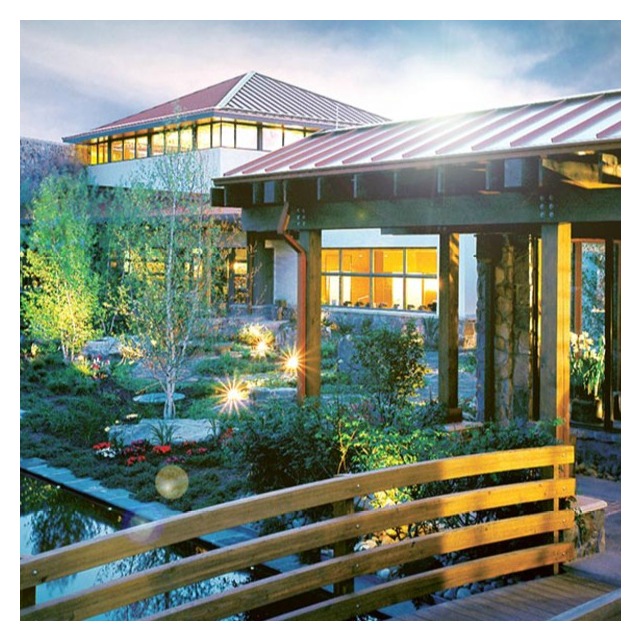
At Nemacolin Woodlands Resort, a short drive from Pittsburgh, moms who need to get serious about sleep can attend one- or two-day retreats offered by the resort’s Holistic Healing Center. The collective powers of meditation, journaling, yoga, essential oils and aromatherapy help fend off restless nights. Inspired by the book, The Sleep Revolution by Arianna Huffington, the packages include a stay at the Falling Rock boutique property (a hotel within a hotel), bubble baths, massages and a holistic coaching session. “I firmly believe that sleep is the single-most effective thing you can do to re-set your brain and body for health,” says Katlyn Hatcher, Nemacolin’s director of spa and wellness.
Pillow perks & more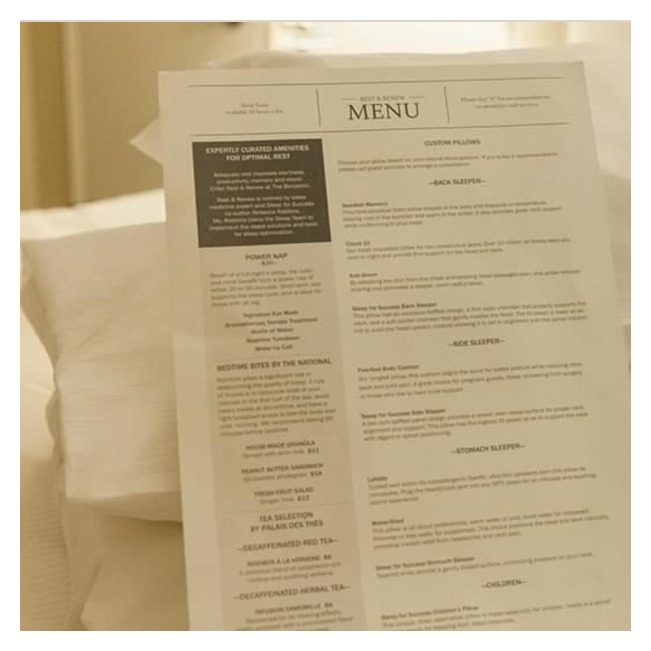
In New York, The Benjamin equips its rooms with every perk imaginable to ensure mom get the rest she’s been craving. Working with a sleep medicine expert, Dr. Rebecca Robbins, the mid-town hotel has a long list of sleep-inducing amenities. The pillow menu alone has 9 choices, from water-filled to air beads. You can also ask for sleep masks, earplugs, white noise machines, meditation on demand, decaffeinated teas and a lullaby music library. Need anything more? Mom can pick up the phone and call the sleep concierge!
The suite life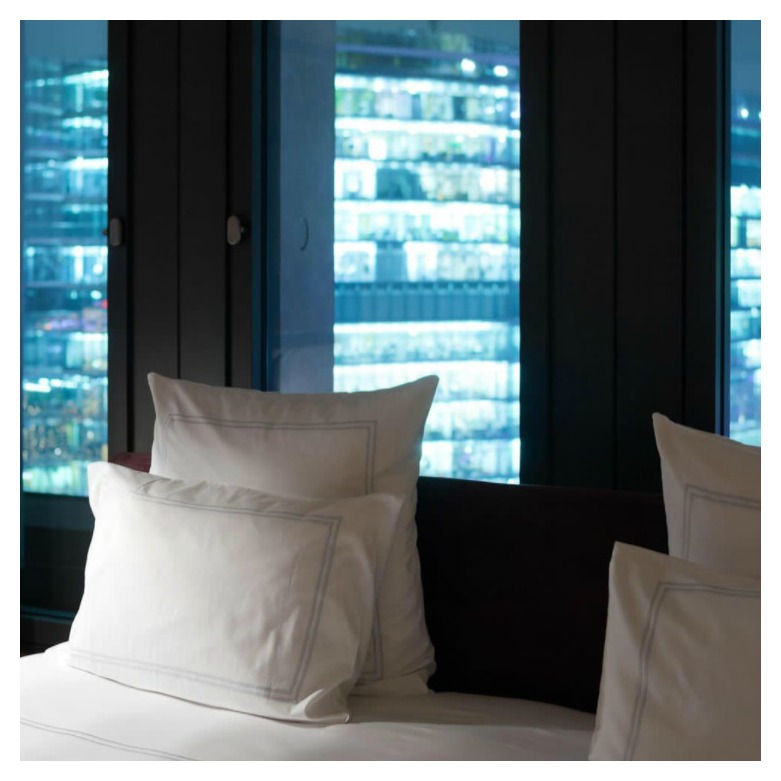
If money is no object, tell mom to get her passport ready because you’re shipping her off to Germany. The Swissotel Berlin tapped into the knowledge of somnologist Dr. Michael Field to put together the essentials for a healthier slumber. The Deep Sleep package includes light therapy in the morning, a special pillow with a built-in sound machine, use of the PowerNap Lounge, dietary supplements and aromatherapy. And there’s also crisp, clean mountain air in this part of Germany – free of charge.
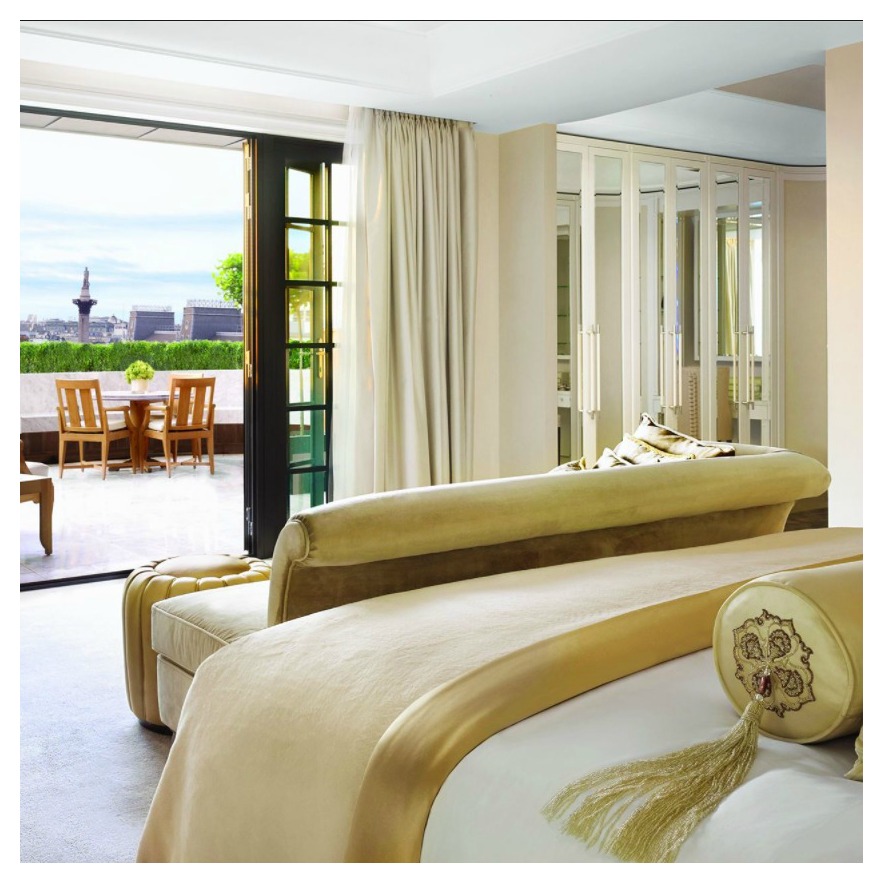 London calling
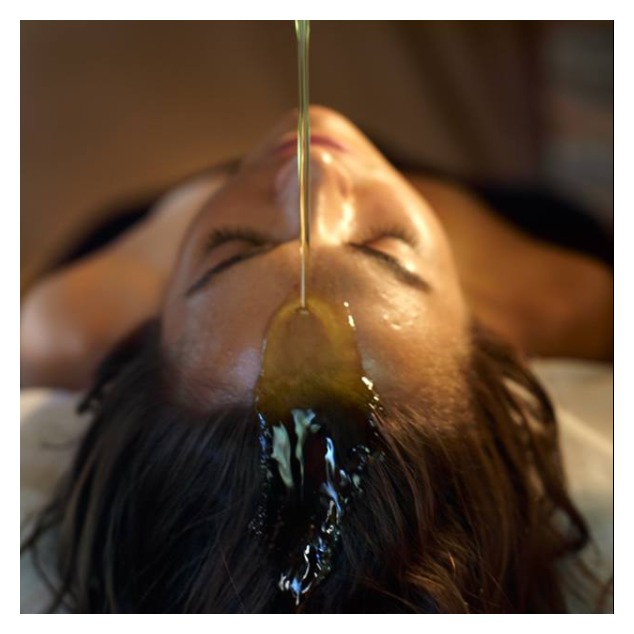
Top-notch pampering comes bundled in a package called Mindful Sleep, available at Corinthia Hotel London. Mom will forget all about those times you snuck into the house in the wee hours of the morning when she has a personalized massage with hot stones and warm oil, plus a scalp massage. And she’ll have a one-on-one session focused on yogic sleep, which teaches visualization techniques for the ultimate in physical and emotional relaxation. It’s available through the spa or can be added to a stay.
Also in London, the hip Andaz Liverpool Street will send a pajama-clad staff member to your room to read you a bedtime story, just like your mom did so many times for you.
 Steal these innovative sleep inducers from other hotels
Hotels have plenty of experience when it comes to putting people asleep, so take your cue from them for those little touches that will help mom boost her rest quality.
- Mirval Resort in Arizona uses Good Night LED bulbs to decrease the amount of sleep-wrecking blue light.
- Starwood Hotels will be rolling out a new room design featuring walls depicting forests, said to help guests adjust their circadian rhythms.
- Meanwhile in Las Vegas, MGM Grand Hotel & Casino offers dawn simulators to coax sleepers into a wakeful state gently.
- At The Four Seasons properties, the housekeeping staff is trained to use a special sheet-folding technique that allows for ample feet wiggling, so guests never feel too tightly bundled.
How will you celebrate Mother’s Day with your Mom?